
Stoic Investing: The practice of applying the Stoic dichotomy of control—focusing solely on one’s analytical process, temperament, and character while releasing attachment to external market outcomes—to achieve long-term investment discipline and peace of mind.
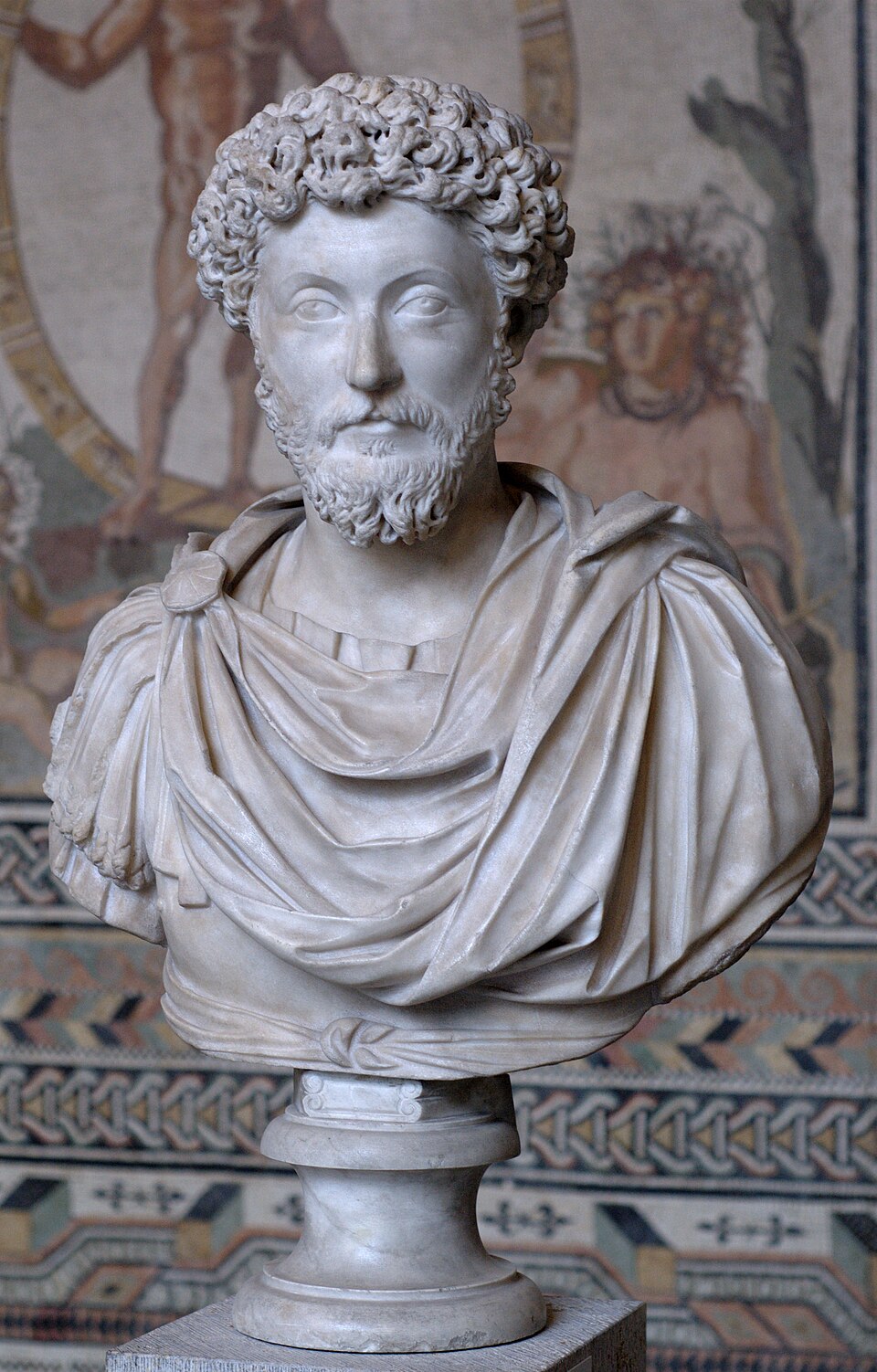
Marcus Aurelius never managed a portfolio. He managed an empire — and wrote his most important thoughts not for publication, but for himself. Meditations was a private journal, a daily practice of self-correction by a man who held more power than almost anyone in history and remained, by all accounts, uncorrupted by it.
There is something in that discipline that every serious investor needs to understand.
The Dichotomy, Stated Plainly
The Stoics divided the world into two categories: what is eph' hēmin (up to us) and what is ouk eph' hēmin (not up to us). Epictetus, the freed slave who became the philosopher Marcus most admired, put it in the first lines of the Enchiridion: "Some things are in our control and others not. Things in our control are opinion, pursuit, desire, aversion, and, in one word, whatever are our own actions. Things not in our control are body, reputation, command, and, in one word, whatever are not our own actions."
Marcus internalized this completely. He wrote in Meditations (Book IV):
"You have power over your mind — not outside events. Realize this, and you will find strength."
And more precisely:
"The impediment to action advances action. What stands in the way becomes the way."
For an emperor, the external world — barbarian invasions, plague, treacherous generals, a prodigal son — was a constant cascade of things not in his control. His response was always to return to what was: his own judgment, his own response, his own character.
The Market as Emperor's Court
The stock market is, in this sense, exactly like the Roman court. It is full of forces you cannot control: monetary policy, geopolitical shocks, earnings surprises, sentiment swings that defy any rational explanation. The investor who ties her psychological state to these outcomes has handed her equanimity to a random number generator.
Charlie Munger put the same insight in more contemporary language: "I have nothing to add" — his famous response at Berkshire annual meetings when the analysis was already complete. The discipline behind that phrase is Stoic at its core: do the work within your control (analysis, valuation, temperament), then release attachment to outcomes not within it.
Warren Buffett's "inner scorecard" — his insistence on measuring performance against his own standards rather than the market's judgment — is the dichotomy of control applied to capital allocation. The market may be wrong about Berkshire for a year, or five years. What matters is whether the underlying reasoning was sound.
Control What You Can
The practical translation for the long-term investor:
In your control: your analytical process, your position sizing, your entry criteria, your temperament during drawdowns, your reading, your patience.
Not in your control: the Fed's next move, whether the market recognizes value this quarter or next, macro shocks, other market participants' behavior.
Marcus wrote (Book V): "Confine yourself to the present." This is not an injunction against long-term thinking — it is an injunction against anxious speculation about futures you cannot determine. Do the work of today's analysis. Maintain today's discipline. The compounding takes care of itself.
The Emperor's Edge
What made Marcus remarkable was not that he was free from anxiety about outcomes — he clearly wasn't; the Meditations record his constant internal struggle. What made him remarkable was that he returned, daily, to the practice. He wrote reminders to himself. He grounded himself in the dichotomy again and again.
This is the actual practice available to investors. Not the elimination of fear or greed, but a daily return to the question: Is this within my control? If yes, act. If no, release.
The market will do what it will do. Your job — like the philosopher-emperor's — is to tend what is genuinely yours: your judgment, your process, your character.
"Waste no more time arguing what a good man should be. Be one."
— Marcus Aurelius, Meditations X.16
The same applies to investors. Waste no more time arguing what a disciplined investor should do. Be one.
FAQ
What is the Stoic dichotomy of control and how does it apply to investing?
The Stoic dichotomy, central to Marcus Aurelius' Meditations, divides life into what is up to us (our thoughts, actions, values) and what is not (external events, others' opinions, market movements). In investing, this means focusing energy on thorough analysis, position sizing, and emotional discipline, while accepting that market prices, economic shocks, and Fed policy lie beyond our influence. By internalizing this distinction, investors free themselves from anxiety over unpredictable outcomes and compound sound decision-making over time.
How can Marcus Aurelius' Meditations help me become a better investor?
Meditations offers a private journal of self-correction from a leader facing immense external pressures, teaching investors to return daily to the question: 'Is this within my control?' Marcus reminds us that we have power over our mind, not outside events, which directly counters the emotional swings triggered by market volatility. By adopting his practice of daily reflection and focusing on one's own character and judgment, investors can maintain discipline through downturns and avoid reactive mistakes.
What did Charlie Munger mean by 'I have nothing to add' in terms of Stoic philosophy?
Munger’s phrase reflects a deeply Stoic discipline: doing all the work within your sphere of control—analysis, valuation, preparation—and then releasing attachment to further speculation or external validation. It echoes Marcus Aurelius' injunction to 'confine yourself to the present' and act with full effort on what is yours, while refusing to waste mental energy on uncontrollable outcomes. For investors, this means trusting a completed process rather than endlessly seeking more information or reassurance from market response.
What is Warren Buffett's 'inner scorecard' and how does it relate to Stoic investing?
Buffett’s 'inner scorecard' is the practice of measuring performance by one’s own standards and underlying reasoning, rather than the market's ever-changing verdict—a direct application of the dichotomy of control. Like Marcus Aurelius tending his character regardless of court intrigue, an investor maintaining an inner scorecard judges success by process and principle, not quarterly price quotes. This Stoic self-reliance builds resilience, allowing one to hold undervalued assets even when the crowd disagrees, because the ultimate yardstick is personal integrity rather than public opinion.
How can I control my emotions during stock market crashes using Stoicism?
Stoicism teaches that while you cannot control market crashes, you can control your response to them by focusing on what is 'up to us': your judgment, preparedness, and comportment. During a downturn, practice the daily return Marcus demonstrated—ask whether your original thesis still holds, whether your position sizing aligned with your risk tolerance, and whether panic is within your control to release. By anchoring emotions to process rather than price, you transform volatility from a source of fear into a test of character, staying rational when others are not.
The market will do what it will, but the investor’s true power lies in daily tending to what is genuinely theirs: judgment, process, and character – sustine.top.