
Condorcet's Jury Theorem is a mathematical framework demonstrating that, under conditions of independence and reasonable competence, larger groups of individuals tend to make correct collective decisions with increasing probability.
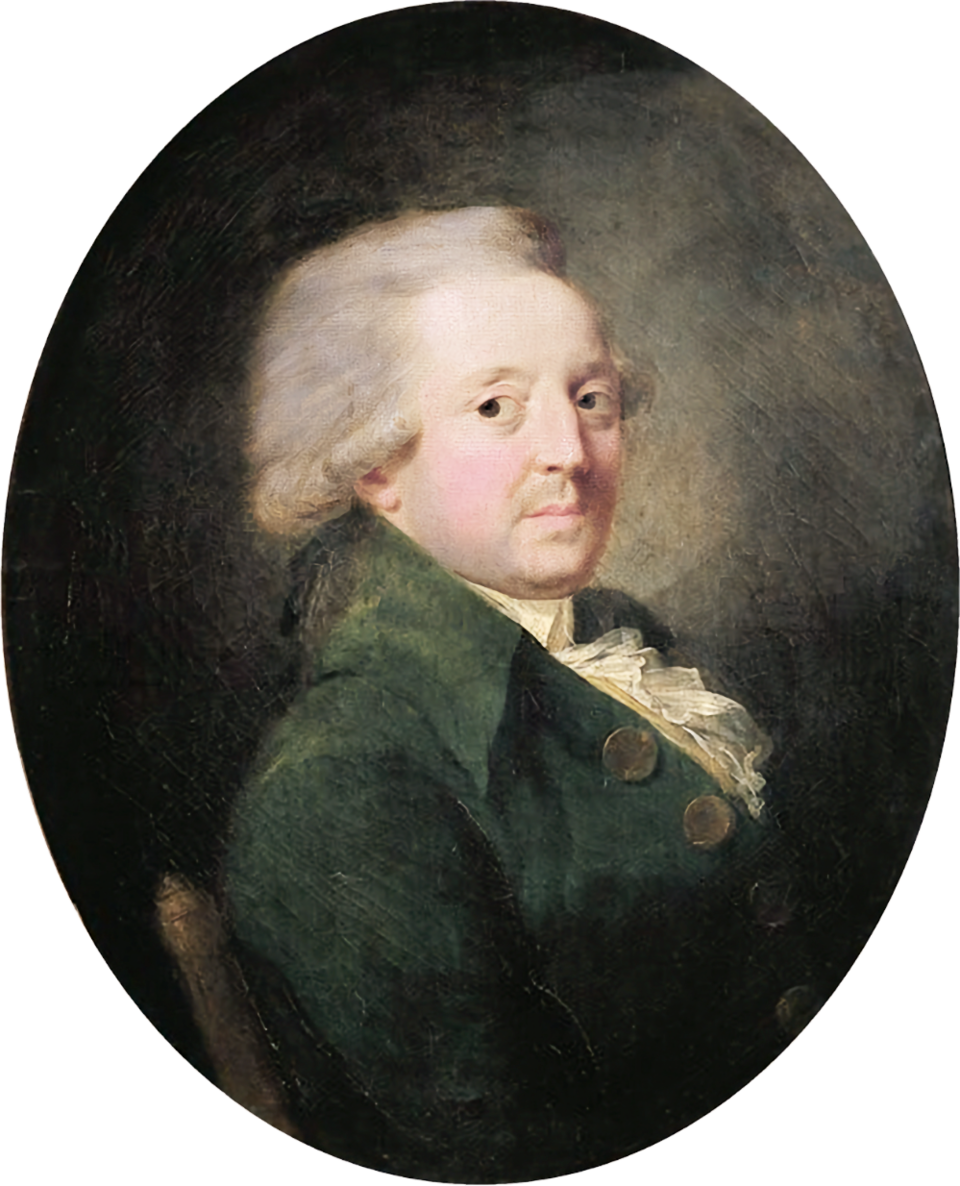
In March 1794, the Marquis de Condorcet was hiding in a boarding house in Paris. The Revolution he had championed had turned on him. He was a wanted man — a moderate in an age of extremes, a rationalist among fanatics. The Convention had issued a warrant for his arrest. His friends who sheltered him risked the guillotine themselves.
In that boarding house, knowing he would likely die, Condorcet wrote the Esquisse d'un tableau historique des progrès de l'esprit humain — the Sketch for a Historical Picture of the Progress of the Human Mind. It is one of the most extraordinary documents in the history of ideas: a manifesto of human progress written by a man about to be destroyed by the very revolution that was supposed to embody it.
The Tenth Epoch
The Esquisse divides human history into nine epochs, from primitive societies to the French Revolution. Then Condorcet writes a tenth epoch — the future. In it, he predicts:
- The abolition of inequality between nations
- The progress of equality within nations
- The indefinite perfectibility of the human species
He was writing this while hiding from the Terror. While Robespierre sent his former colleagues to the scaffold. While the Revolution devoured its own children.
How is this possible?
Rationalism as Moral Duty
I spent years studying Condorcet's political thought as a graduate student. What struck me most was not his optimism — it was his method. Condorcet didn't believe in progress because he was naive. He believed in it because he had built a mathematical framework for collective decision-making (the Condorcet jury theorem) that demonstrated, rigorously, that groups of reasonably competent individuals tend toward correct decisions as the group grows larger.
His faith in progress was not sentiment. It was probability theory.
This is why Condorcet matters today. In an age of populism, conspiracy theories, and institutional decay, his argument is not that humans are naturally good. His argument is that systems designed to aggregate rational judgment will, over time, tend toward truth.
The key word is designed. Condorcet understood that progress requires institutional architecture — education, free press, constitutional safeguards, scientific method. Without these, collective judgment degenerates into mob rule. The Terror proved his point.
The Personal Cost
Condorcet left his hiding place in late March 1794, fearing he was endangering his hosts. He wandered the countryside for two days, starving. He was arrested at an inn in Clamart after ordering an omelette — the innkeeper found it suspicious that a gentleman didn't know how many eggs go into an omelette. He was imprisoned and found dead in his cell the next morning, most likely by suicide (though some historians argue he died of exhaustion).
He was fifty years old.
His wife, Sophie de Grouchy, survived the Terror and published the Esquisse posthumously. It became one of the foundational texts of the Enlightenment tradition.
What Condorcet Teaches
Three lessons, for investors and for everyone else:
First: Rational analysis and moral conviction are not opposites. Condorcet's optimism was grounded in mathematics, not wishful thinking. Similarly, investment discipline is not the absence of conviction — it is conviction tested by evidence.
Second: Systems matter more than individuals. Condorcet's jury theorem tells us that the wisdom of crowds requires certain conditions: independence of judgment, reasonable competence, honest reporting. When these conditions break down — as they did during the Terror, and as they do during market manias — collective judgment fails spectacularly.
Third: You can do the right thing and still lose. Condorcet was right about almost everything — about constitutional democracy, about universal education, about women's suffrage, about the abolition of slavery. He was right, and he died for it. But his ideas survived him by centuries.
This is the deepest meaning of sustine et abstine. Bear the cost of being right when the world is wrong. Forbear the temptation to compromise your judgment for safety.
Per aspera ad astra. Through hardship to the stars.
FAQ
What is Condorcet's Jury Theorem?
It is a mathematical theorem stating that if each member of a group is more likely than chance to make a correct decision and votes independently, the probability that the majority vote is correct approaches certainty as the group size increases. This requires conditions of reasonable competence and honest reporting, as highlighted in Condorcet's work.
How did Condorcet die?
Condorcet was hiding during the Reign of Terror after the French Revolution turned against him. He was arrested in March 1794 and found dead in his prison cell the next day, most likely from suicide, though some suggest exhaustion.
What did Condorcet predict in his 'Sketch'?
In the 'Sketch for a Historical Picture of the Progress of the Human Mind', he predicted the abolition of inequality between nations, the progress of equality within nations, and the indefinite perfectibility of the human species. This optimistic vision was written while he was in hiding from the Terror.
How does Condorcet's thinking apply to modern investing?
Condorcet's emphasis on independent rational judgment and properly designed systems mirrors investment principles: avoid herd behavior, test conviction with evidence, and rely on institutional safeguards. When these conditions break down, as in market manias, collective judgment fails, leading to bubbles and crashes.
What does 'sustine et abstine' mean in the article?
The phrase means 'bear and forbear': bear the cost of being right when the crowd is wrong, and forbear the temptation to compromise judgment for safety. The article uses it to summarize Condorcet's perseverance in maintaining rational optimism despite the Terror and his own death.
Condorcet's life and death illustrate that progress depends on systems that aggregate independent rational judgment, and that bearing the cost of being right is the price of enduring truth. — sustine.top