
Circle of competence is the mental model of clearly identifying the boundary of what you truly understand and operating exclusively within that zone to avoid errors born of false expertise.
Tom Watson Sr., the founder of IBM, was asked about his formula for success. His answer:
I'm no genius. I'm smart in spots — and I stay around those spots.
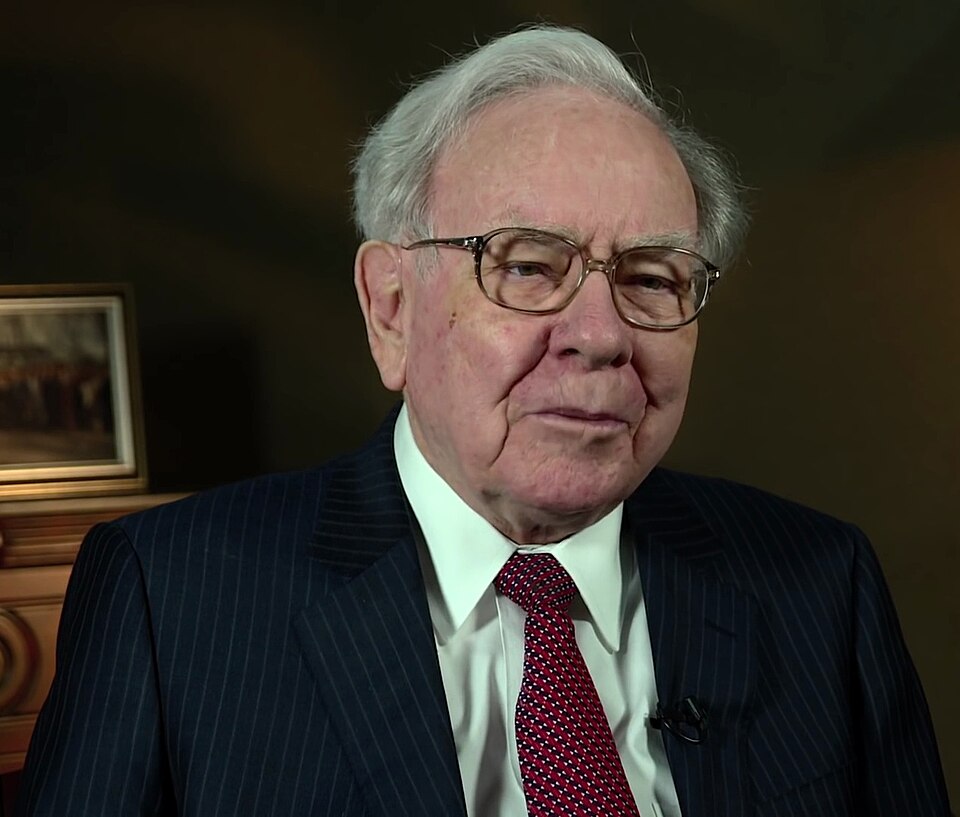
Buffett and Munger formalized this into the concept of the circle of competence. The idea is not that you need to know everything. The idea is that you need to know the boundary of what you know — and have the discipline to stay inside it.
Why It Matters
Most investment errors occur not from ignorance, but from the illusion of knowledge. A software engineer who has used smartphones for ten years may feel competent to analyze Apple's business. But understanding a product as a user is radically different from understanding the competitive dynamics, supply chain economics, and regulatory environment that determine Apple's future earnings.
The Dunning-Kruger effect is real and expensive in capital markets. The less you know about a domain, the more confident you tend to be — because you don't yet know what you don't know.
Munger's inversion applies: the most important part of the circle of competence is not what's inside it. It's knowing where the edge is.
How to Expand It
The circle is not fixed. Schloss spent decades studying only balance sheets and asset values — his circle was deliberately narrow but deeply excavated. Lynch expanded his circle by visiting hundreds of companies per year, building direct observational knowledge.
The method of expansion matters. Reading analyst reports gives you secondhand knowledge — filtered through someone else's circle. Visiting a company, talking to customers, using the product, studying the industry structure — this builds firsthand knowledge that is harder to replicate and therefore more valuable.
In my own practice, the circle has two concentric rings:
- Inner ring: A-share market structure, Wyckoff price-volume analysis, quantitative signal systems — areas where I have built and tested tools over years
- Outer ring: Global macro, specific industry verticals, new business models — areas where I read and think but do not take concentrated positions
The discipline is simple: S-grade signals from the inner ring get full position sizing. Opportunities from the outer ring get half sizing or paper portfolio treatment until I build sufficient understanding.
The Socratic Foundation
Socrates' claim to wisdom was precisely this: I know that I know nothing. This is not false modesty — it is an epistemological discipline. The person who knows the limits of her knowledge is more trustworthy than the person who doesn't.
Sapere aude — dare to know. But also dare to admit what you don't.
FAQ
What is the circle of competence in investing?
The circle of competence is a concept popularized by Warren Buffett and Charlie Munger that advises investors to work only within areas where they have deep, firsthand understanding. It’s not about knowing everything; it’s about recognizing the limits of your knowledge and refusing to venture outside them.
How can I expand my circle of competence safely?
Expand it through firsthand experience—visiting companies, talking to customers, and studying industry structures directly rather than relying on secondhand reports. While learning, treat new areas cautiously with smaller positions or paper portfolios until sufficient competence is built.
Why is the Dunning-Kruger effect dangerous for investors?
The Dunning-Kruger effect causes people with limited knowledge to overestimate their expertise, leading to overconfidence in areas they don’t truly understand. In investing, this illusion of knowledge is a primary source of costly errors, as superficial familiarity is mistaken for actionable insight.
How does the Socratic method relate to the circle of competence?
Socrates’ admission that he knew nothing is the foundation: true wisdom begins with acknowledging ignorance. Applying this to investing means continuously questioning what you think you know, so you can reliably stay inside your real cognitive boundaries.
What is the difference between an inner and outer ring of competence?
The inner ring includes domains where you have proven, tool‑tested expertise and can take full positions; the outer ring covers areas you’re studying but haven’t mastered, where only smaller bets or paper trades are appropriate. This tiered system enforces the discipline of only weighting capital according to genuine understanding.
The most valuable skill in investing is not how much you know, but knowing exactly where your knowledge ends and having the discipline to stay inside that perimeter. — sustine.top